When homeowners, business owners, and property managers hear the phrase structure moving Michigan, they often imagine a massive, complicated project reserved only for extreme situations. In reality, structure moving is more common—and more practical—than many people realize. With modern engineering, advanced hydraulic equipment, and highly trained crews, relocating a building can be safer and more cost-effective than demolition and rebuilding.
Professional structure moving Michigan services are used for homes, barns, garages, historic buildings, commercial properties, and even entire multi-story structures. Whether a building needs to be shifted to a new foundation, raised due to flooding concerns, moved away from a failing frost heave foundation in Michigan, or relocated to a new site entirely, the process follows a precise sequence that emphasizes safety, accuracy, and structural integrity.
This article explains exactly how modern structure moving works, the technology behind it, and why structure moving Michigan professionals are an essential resource for property owners facing structural or foundation-related challenges.
Why Buildings Need to Be Moved Instead of Demolished
There are many situations where homeowners or landowners choose structure moving Michigan rather than tearing down and rebuilding:
1. Foundation Failure or Frost Heave Damage
One of the most common reasons is a compromised foundation. Frost heave, shifting soils, drainage problems, and structural settlement often necessitate lifting or relocating a structure onto a new foundation.
Severe frost heave foundation in Michigan, for example, can tilt or shift a building. Instead of abandoning or demolishing the structure, professional movers can lift and shift the building safely.
2. Historical Preservation
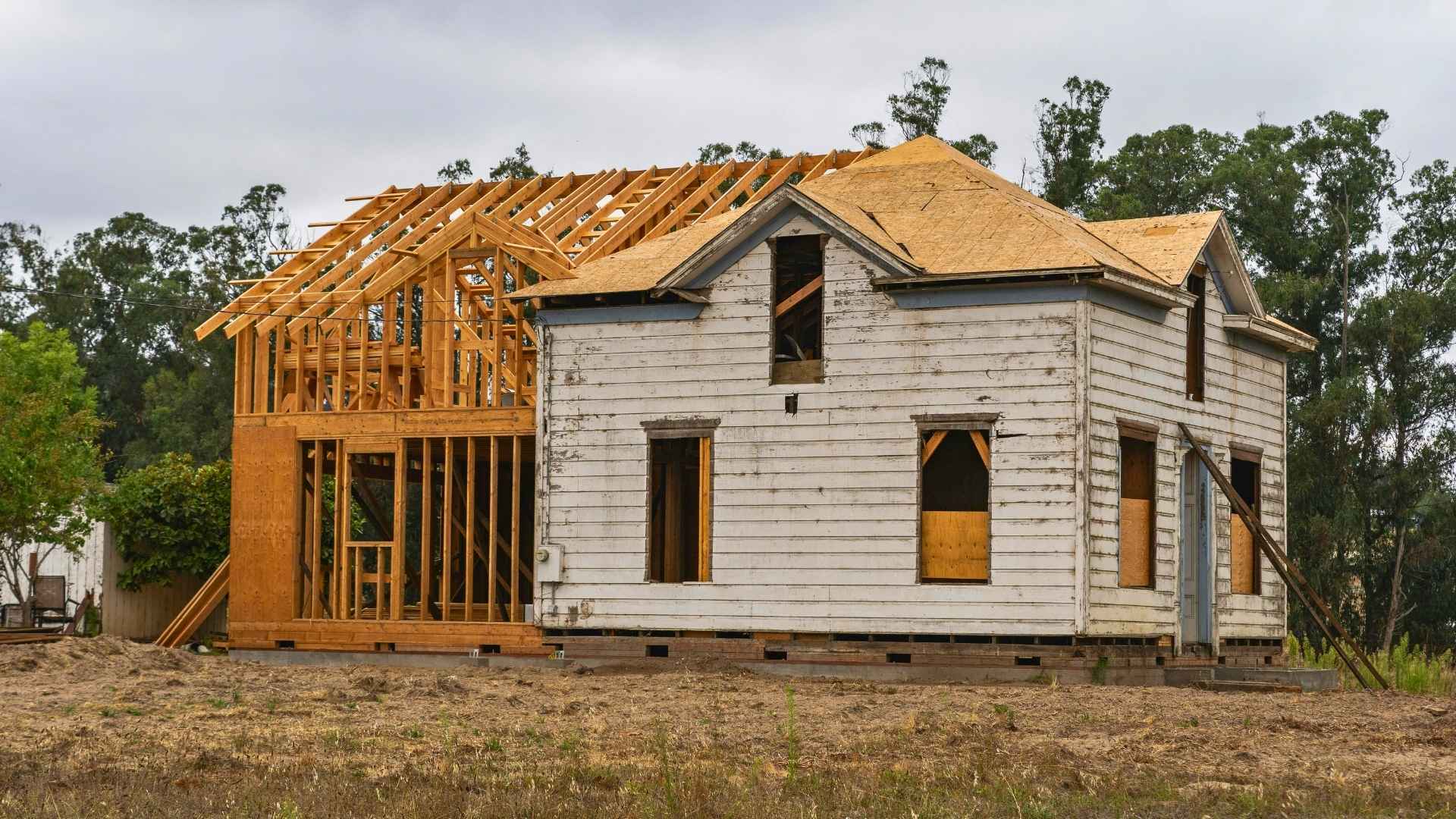
Many historic homes and barns cannot be rebuilt due to their age, craftsmanship, or historical designation. Moving the structure is the only way to preserve it.
3. Flooding and Water Table Issues
Michigan properties located near lakes, rivers, or wetlands may need to move houses or barns to higher ground for safety and compliance with modern codes.
4. Lot Rearrangement
Homeowners sometimes want to reconfigure their land layout—building an addition, relocating a barn, or shifting a garage.
5. Cost Efficiency
Surprisingly, structure moving Michigan is often more affordable than rebuilding entirely. When the structure is in good shape, moving it preserves the investment.
The Planning Phase: How Structure Moving Begins
Before a building ever leaves the ground, professional movers conduct an extensive assessment. This is one of the most important steps in structure moving Michigan.
Building Assessment
Experts evaluate:
- Structural integrity
- Load-bearing points
- Foundation condition
- Electrical, plumbing, and HVAC disconnections
- Weight distribution
- Access points for lifting equipment
Any building with a compromised frost heave foundation in Michigan may require special bracing or reinforcement.
Site Assessment
Next, the crew evaluates the relocation path. This includes:
- Soil stability
- Grade and slope
- Distance
- Tree, utility pole, or structure removal
- Accessibility for hydraulic dollies and trucks
Engineering and Permits
Structure moving is engineering-driven work. The movers work with local engineers to design a customized lifting strategy, which might include steel beams, hydraulic jacking pads, cribbing stacks, and track placements.
Michigan municipalities also require several permits for structure moving Michigan, such as:
- Transport permits
- Roadway closure approvals
- Utility disconnection authorizations
- Foundation permits for the new site
This preparation ensures the move is legal, safe, and fully documented.
Step-by-Step: How the Structure Is Lifted
After planning and preparation, the physical work begins.
1. Excavation Around the Foundation
The crew digs around the existing foundation to expose the structure’s base. Excavation teams ensure there is enough clearance for steel beams and hydraulic equipment.
2. Supporting Beams Are Installed
Steel I-beams are inserted beneath the structure using precision cutting tools and specialized machinery. These beams are the backbone of any structure moving Michigan operation.
Depending on the building’s size, multiple layers of beams (primary, secondary, and tertiary) may be required.
3. Hydraulic Jacks Are Positioned
Hydraulic jacks—typically synchronized through a central control system—lift the structure incrementally. This prevents twisting, cracking, or structural stress.
The building is raised slowly and evenly, often one or two inches at a time.
4. Cribbing Is Built
As the building rises, lumber cribbing stacks are constructed to support the weight. Cribbing:
- Distributes the load
- Stabilizes the building
- Allows workers to reposition beams and jacks
This step is critical to safe structure lifting.
How the Structure Is Moved to Its New Location
Once the building is fully supported and raised, the move begins. There are two methods:
Method 1: Moving the Structure on Hydraulic Dollies
Hydraulic dollies allow precise movement across the property. These remote-controlled dollies:
- Rotate 360 degrees
- Can climb minor grades
- Distribute weight evenly
- Offer exact positioning for tight spaces
This method is common in structure moving Michigan for houses, barns, and garages.
Method 2: Moving the Structure on a Truck or Trailer
If the building needs to be moved offsite or transported down the road, a steel-reinforced trailer carries the structure. Movers coordinate with:
- Local police
- Road commission authorities
- Utility companies
This ensures safe road travel and temporary wire lifting or closure if necessary.
Placing the Structure on the New Foundation
Once the structure arrives at its new location, movers reverse the lifting process.
1. New Foundation Must Be Fully Prepared
Before the building arrives, the replacement foundation is already constructed and inspected. For homes affected by a frost heave foundation in Michigan, the new foundation may include reinforcement such as:
- Helical piers
- Deep footings
- Improved drainage
- Soil stabilization solutions
2. Lowering the Structure
Hydraulic jacks incrementally lower the structure until it rests perfectly on the new foundation. Alignment is checked repeatedly throughout the lowering process.
3. Final Securing and Reconnection
Movers complete:
- Structural connection
- Bolt anchoring
- Utility reconnections
- Internal repair touch-ups
With everything secure, homeowners get their building back—leveled, stabilized, and ready for use.
Safety Measures in Professional Structure Moving
Safety is at the core of every structure moving Michigan project. Professional movers follow strict guidelines:
- Weight calculations performed by engineers
- Load-bearing analyses to prevent collapse
- Synchronized hydraulic jacking
- Full structural bracing to prevent shifting
- OSHA-compliant work zones
- Redundant support systems
Experienced teams ensure that moving a building is not just possible—but safe and predictable.
Benefits of Professional Structure Moving
Choosing structure moving Michigan services can be one of the most strategic decisions for homeowners or commercial property owners.
1. Saves Money
Building relocation is often less expensive than new construction.
2. Preserves Existing Structures
Keeps valuable buildings, historic homes, and barns intact.
3. Addresses Foundation Problems
Particularly important when a frost heave foundation in Michigan requires full replacement.
4. Allows Site Optimization
Move buildings to:
- Create space
- Improve layout
- Avoid flood zones
- Comply with zoning
5. Environmentally Responsible
Reduces material waste from full demolition.
When Structure Moving Is Necessary
You may need structure moving Michigan when:
- The building is located on unstable or heaving soil
- The foundation has failed
- The property is prone to flooding
- A frost heave foundation in Michigan has caused severe shift
- You want to reconfigure your property layout
- You’re restoring a historic building
- You’re expanding or adding onto existing structures
Need Help?
Professional structure moving is a complex but highly efficient engineering process. Whether you’re dealing with a failing or frost heave foundation in Michigan, expanding your property, or preserving a valuable structure, the right team can move a building safely and accurately.
If you’re experiencing foundation problems or considering relocating a building on your property, McCormick Foundations can help.
Contact McCormick Foundations today for expert structure moving Michigan services and complete foundation solutions.