
Spring in Michigan brings warmer temperatures, melting snow, heavy rains, and shifting soil. While many homeowners focus on landscaping and exterior cleanup, one of the most important seasonal tasks is a thorough foundation inspection. After months of freeze thaw cycles, your home may have experienced subtle structural movement, moisture intrusion, or soil expansion. A professional foundation inspection can identify early warning signs before they become expensive structural problems.
A detailed foundation inspection each spring protects your home’s structural integrity, prevents water damage, and helps you plan repairs proactively. In Michigan, where frost heave and clay soil expansion are common, scheduling a foundation inspection in March or April is one of the smartest preventative steps you can take.
Below are the top seven spring foundation inspection tips every Michigan homeowner should follow.
1. Check for Exterior Foundation Cracks
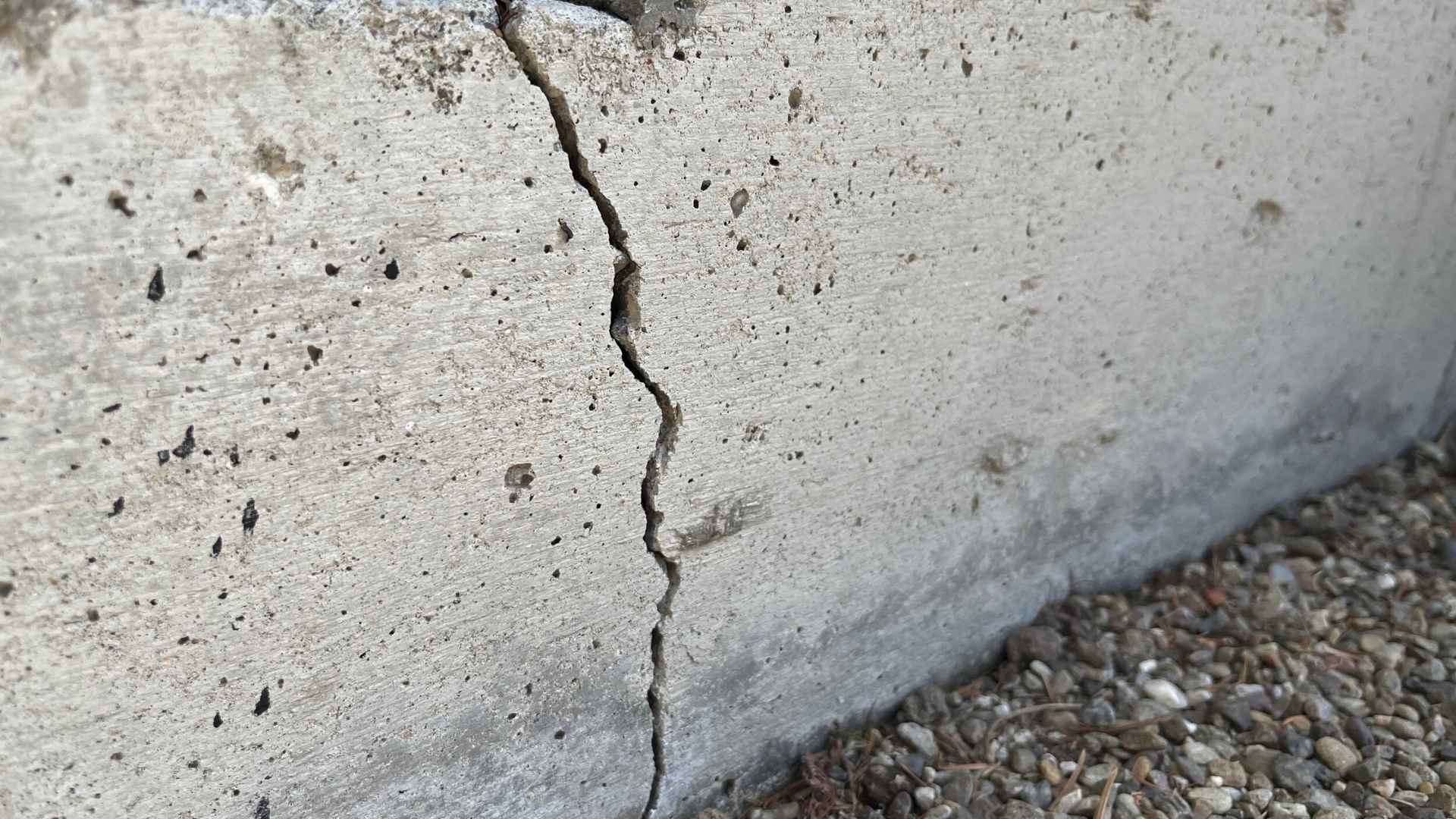
Winter freeze thaw cycles cause soil to expand and contract. That movement puts pressure on foundation walls, often resulting in visible cracks. During your spring foundation inspection, carefully examine the exterior foundation walls for vertical cracks, stair step cracks in brick, or widening gaps.
Hairline cracks may appear harmless, but your foundation inspection should determine whether they are cosmetic or structural. Horizontal cracks, in particular, can indicate serious pressure from expanding soil and require immediate professional attention.
Pay attention to areas near basement windows, corners of the home, and spots where water collects. A professional foundation inspection will measure crack width, assess structural risk, and determine if repair is necessary.
2. Inspect Basement Walls for Moisture
Spring snowmelt and heavy rains increase hydrostatic pressure around your foundation. During your foundation inspection, look for damp spots, efflorescence, peeling paint, and musty odors in the basement.
Efflorescence appears as a white powdery residue on concrete walls and is a clear indicator that moisture has penetrated the surface. If your foundation inspection reveals moisture signs, basement waterproofing solutions may be necessary. A thorough foundation inspection includes checking for active leaks, previous patchwork repairs, and signs of mold growth.
3. Examine Your Crawlspace
If your home has a crawlspace, it should be a major focus during your spring foundation inspection. Michigan humidity and snowmelt can create excessive moisture buildup under your home.
During a foundation inspection, look for standing water, sagging insulation, wood rot, and mold growth. Crawlspace moisture can lead to structural weakening, pest infestation, and poor indoor air quality.
Your foundation inspection should also evaluate vapor barriers and ventilation systems. If your crawlspace lacks proper encapsulation, moisture problems can quickly worsen during the warmer months.
4. Evaluate Soil Grading and Drainage
Improper drainage is one of the most common causes of foundation damage. During your spring foundation inspection, walk around your home and evaluate the grading of the soil. The ground should slope away from your foundation to prevent water pooling.
Look for low spots near the foundation, clogged gutters, or downspouts that discharge water too close to the home. A complete foundation inspection will assess whether excavating or grading corrections are needed to redirect water safely away.
Michigan’s clay heavy soil expands significantly when wet. If water consistently collects around your home, your foundation inspection may reveal early signs of soil related movement or settlement.
5. Check Doors and Windows for Alignment Issues
Subtle structural shifting often shows up in door and window frames. As part of your foundation inspection, open and close all doors and windows. If they stick, rub, or fail to latch properly, this could indicate foundation movement.
During a professional foundation inspection, technicians measure floor levels and evaluate structural alignment. Small changes may signal settlement issues that require corrective foundation repair.
Do not ignore alignment issues, especially if they developed after winter. A timely foundation inspection can determine whether seasonal movement is temporary or part of a larger structural concern.
6. Inspect Your Sump Pump System
Spring is peak season for sump pump failures. During your foundation inspection, test your sump pump to ensure it activates properly and discharges water away from the home.
Pour a bucket of water into the sump pit to verify operation. A professional foundation inspection includes checking discharge lines for blockages, frozen sections, or improper drainage routes.
If your sump pump struggles to keep up with snowmelt or heavy rain, your foundation inspection may indicate the need for an upgraded system or backup power solution.
7. Look for Interior Wall and Floor Cracks
Your foundation inspection should include a thorough evaluation of interior walls and flooring. Cracks in drywall, uneven floors, or gaps between walls and ceilings can signal foundation movement.
Pay close attention to cracks that appear above door frames or radiate from window corners. These patterns often correlate with settlement issues identified during a foundation inspection.
A professional foundation inspection uses specialized equipment to measure foundation elevation and detect uneven settlement that may not be visible to the naked eye.
Why Spring Is the Ideal Time for a Foundation Inspection
Spring offers the best opportunity for a foundation inspection because winter damage is freshly visible. Soil expansion, frost heave, and snowmelt create measurable changes that may stabilize later in summer.
By scheduling a foundation inspection in early spring, you gain accurate insight into your foundation’s condition before landscaping or exterior projects begin. Addressing concerns early prevents more expensive foundation repair later in the year.
Michigan homeowners face unique environmental stressors including:
Freeze thaw cycles
Clay soil expansion
Heavy snow accumulation
Spring rainfall surges
Each of these factors makes an annual foundation inspection essential.
Warning Signs That Require Immediate Foundation Inspection
While an annual foundation inspection is recommended, certain signs demand immediate attention:
- Large or widening cracks
- Basement flooding
- Bowing foundation walls
- Sudden door or window misalignment
- Chimney separation from the home
If you notice any of these issues, schedule a professional foundation inspection immediately to prevent structural escalation.
The Cost of Ignoring a Foundation Inspection
Delaying a foundation inspection can lead to significant repair costs. Small cracks can widen, moisture can weaken structural supports, and minor settlement can progress into major structural instability.
Early foundation inspection identifies issues while they are manageable. Preventative action is far more affordable than emergency foundation repair or structural lifting.
A proactive foundation inspection also protects your property value. If you plan to sell your home, documented foundation inspection records demonstrate responsible maintenance and structural integrity.
Professional vs DIY Foundation Inspection
While homeowners can perform a basic visual review, a professional foundation inspection provides a comprehensive evaluation. Trained specialists understand soil behavior, structural stress patterns, and waterproofing systems.
Professional foundation inspection services may include:
- Elevation measurements
- Crack monitoring
- Moisture testing
- Drainage assessment
- Structural stability analysis
Relying solely on a DIY approach can overlook subtle warning signs. A qualified foundation inspection ensures nothing is missed.
How Often Should You Schedule a Foundation Inspection
In Michigan, an annual spring foundation inspection is strongly recommended. Homes in areas with poor drainage or heavy clay soil may benefit from more frequent evaluation.
If your property has experienced prior foundation repair, structure lifting, or basement waterproofing, regular foundation inspection is even more critical to ensure long term performance.
Consistency is key. A routine foundation inspection builds a record of your home’s structural condition and tracks changes over time.
Protecting Your Michigan Home This Spring
Your foundation supports everything above it. From structural walls to roofing systems, the entire home depends on a stable base. A comprehensive foundation inspection this spring can save thousands of dollars in future repairs.
March and April are ideal months to assess post winter damage. Do not wait until summer when minor problems may already have worsened.
If you want peace of mind, now is the time to schedule your professional foundation inspection.
Schedule Your Foundation Inspection Today
McCormick Foundations proudly serves homeowners throughout Michigan with expert foundation inspection, foundation repair, basement waterproofing, crawlspace repair, structure lifting, structure moving, pole barn repair, excavating, and shed moving services.
Do not leave your home’s stability to chance this spring. Protect your investment with a professional foundation inspection from experienced specialists who understand Michigan soil and seasonal challenges.
Contact McCormick Foundations today to schedule your foundation inspection and ensure your home remains safe, dry, and structurally sound.