Every Michigan homeowner knows how unpredictable the weather can be. One week, it’s raining steadily; the next, it’s freezing with snowmelt pooling around your foundation. For homes built on low-lying land or areas with poor drainage, this cycle of moisture and freeze-thaw damage can cost thousands in repairs every year.
But there’s a lasting, proactive solution that not only prevents future water damage but can also increase your home’s value and lifespan — structural lifting in Michigan.
This advanced process, sometimes called house lifting or foundation raising, involves carefully elevating your home to a higher level to improve drainage, prevent flooding, and protect your foundation from long-term water intrusion.
In this comprehensive guide, we’ll explore how structural lifting in Michigan works, why it’s such an effective flood-prevention strategy, and how it can ultimately save you thousands of dollars in damage and repair costs.
1. What Is Structural Lifting?
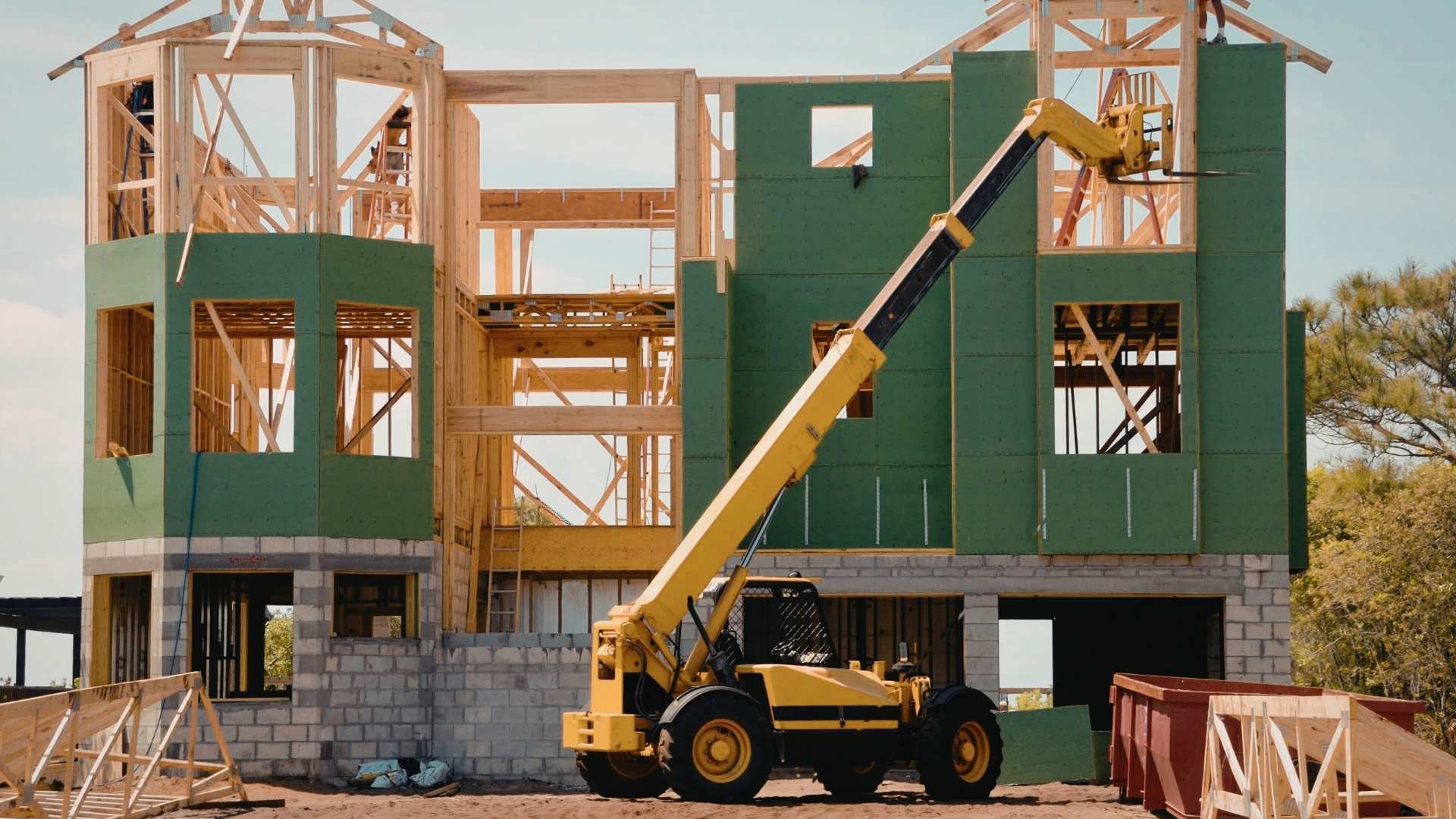
Structural lifting in Michigan is the process of raising an existing building from its foundation using hydraulic jacks and steel beams. This isn’t just a small home improvement — it’s a specialized engineering solution designed to protect structures from foundational or environmental threats such as flooding, settling, or structural weakness.
Once the home is lifted, new supports or a reinforced foundation can be built underneath, giving your home better protection and stability.
The procedure might sound extreme, but modern technology and experienced professionals make it both safe and efficient. Companies like McCormick Foundations specialize in these complex projects, ensuring each step — from lifting to foundation reinforcement — is executed with precision.
2. Why Homeowners Choose Structural Lifting in Michigan
There are several reasons homeowners invest in structural lifting in Michigan, but preventing water damage is one of the most common. Michigan’s geography and climate create ideal conditions for basement leaks, flooding, and foundation erosion.
Here are some of the main reasons people choose to lift their homes:
a. Flood Prevention
Many areas of Michigan, especially near lakes and rivers, experience seasonal flooding. By raising your home above the floodplain, you can prevent groundwater and storm runoff from seeping into your basement or crawlspace.
b. Foundation Damage
Water saturation over time can weaken soil beneath a home, leading to settling or shifting. Lifting the structure allows contractors to repair, replace, or stabilize the foundation before setting the home back down safely.
c. Increased Living Space
Some homeowners use structural lifting in Michigan to create more space — such as adding a full basement or taller crawlspace beneath their home. This upgrade not only protects the structure but also adds usable square footage.
d. Code Compliance and Flood Insurance Savings
If your property is located in a flood zone, lifting your home to meet elevation standards can significantly reduce your flood insurance premiums.
3. The Cost of Water Damage in Michigan Homes
Before understanding how lifting saves money, it’s important to grasp the financial toll of water damage.
In Michigan, the average water damage repair cost ranges from $3,000 to over $15,000, depending on severity. If flooding leads to foundation or structural issues, those numbers can double or triple.
Common causes of costly damage include:
- Basement flooding due to poor drainage
- Crawlspace moisture and mold growth
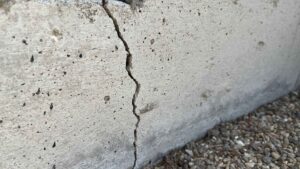
- Cracks in foundation walls or floors
- Erosion under slab foundations
- Repeated freeze-thaw cycles weakening the structure
Once your foundation is compromised, repairs can become ongoing and expensive. Structural lifting in Michigan eliminates these recurring problems by addressing the root cause — your home’s elevation relative to water flow.
4. How Structural Lifting Prevents Water Damage
When properly executed, structural lifting in Michigan provides long-term protection from flooding and water intrusion. Here’s how:
a. Improved Drainage and Grading
By raising your home, water naturally flows away from the structure rather than pooling around the foundation. This reduces hydrostatic pressure — the force that pushes water through cracks and into basements.
b. Foundation Reinforcement
During the lifting process, contractors can inspect and repair any underlying foundation damage. This is the perfect time to install modern waterproofing systems, drain tiles, or sump pumps.
c. Crawlspace and Basement Protection
If your home has a crawlspace or basement, raising it even a few feet can keep groundwater from entering during heavy rainfall or snowmelt.
d. Protection from Frost Heave
Michigan winters cause the ground to freeze and expand, pushing up against foundations. By elevating the structure and improving soil drainage, frost heave damage becomes much less likely.
e. Permanent Flood Resilience
Unlike temporary measures such as sandbags or sump pumps, structural lifting offers a permanent elevation-based solution. It ensures your home is physically out of harm’s way during future flood events.
5. The Structural Lifting Process Step-by-Step
Every home and soil type is different, but here’s a general breakdown of how structural lifting in Michigan is performed by professionals:
Step 1: Inspection and Planning
Experts conduct a detailed assessment of your foundation, soil conditions, and potential water risks. They’ll determine how much lift is needed to achieve optimal protection and code compliance.
Step 2: Site Preparation
Excavation is done around the home’s perimeter to expose the foundation. Utilities like plumbing, gas, and electrical lines are carefully disconnected or secured.
Step 3: Installing Steel Beams and Jacks
Hydraulic jacks are positioned under reinforced steel beams that run beneath the home’s structure. The jacks are synchronized to ensure an even, controlled lift.
Step 4: Lifting the Structure
The house is slowly raised to the desired height, typically just a few inches per hour. Precision is key to prevent structural stress or cracking.
Step 5: Foundation Work
Once elevated, contractors can repair or replace the existing foundation, install new footings, or add waterproofing systems.
Step 6: Setting the House and Finalization
After repairs are complete, the home is carefully lowered onto its new, reinforced base. Utilities are reconnected, and grading adjustments are made to promote proper water flow.
6. Why Michigan Homes Are Especially Vulnerable
Michigan’s unique combination of freeze-thaw cycles, heavy rainfall, and lake-effect weather makes it one of the states most prone to foundation and water damage.
a. Clay and Loamy Soil
Much of Michigan has dense, moisture-retaining soil. When it freezes, it expands — exerting pressure on foundation walls and floors.
b. High Water Tables
Homes near lakes, rivers, or low-lying land face constant hydrostatic pressure. Structural lifting in Michigan is one of the few ways to counteract this natural force.
c. Aging Housing Stock
Many Michigan homes were built decades ago with minimal waterproofing. Elevating the structure gives homeowners the chance to modernize foundation systems and drainage.
d. Rapid Snowmelt
During spring, snowmelt often overwhelms drainage systems. Elevated homes suffer less from seepage and standing water.
7. Long-Term Benefits Beyond Water Protection
The advantages of structural lifting in Michigan go beyond preventing immediate flood damage. Homeowners also enjoy several long-term gains:
a. Increased Property Value
Homes with flood-resistant foundations are more desirable to buyers. Elevating your home demonstrates proactive maintenance and adds resale value.
b. Lower Insurance Premiums
As mentioned earlier, elevated homes often qualify for reduced flood insurance rates. The investment pays off over time through ongoing savings.
c. Greater Structural Integrity
Lifting allows for reinforcement of existing supports, better ventilation beneath the home, and improved structural load distribution.
d. Opportunity for Upgrades
Homeowners often use this time to add energy-efficient insulation, vapor barriers, or even a new basement level.
e. Peace of Mind
Knowing your home is protected from Michigan’s harshest elements provides security and eliminates the stress of recurring water damage.
8. Common Myths About Structural Lifting
Let’s clear up some misconceptions about structural lifting in Michigan:
- “It’s too risky for my home.”
With modern technology and experienced contractors, the process is safe and precise. Thousands of Michigan homes have been lifted successfully without damage. - “It’s only for flood-prone properties.”
Structural lifting also benefits homes with foundation settlement, poor drainage, or sinking soil — not just flood zones. - “It’s more expensive than repair.”
While the upfront cost is higher, lifting eliminates ongoing expenses from water damage, mold remediation, and insurance claims — saving money long-term. - “It takes months to complete.”
Most lifts take a few weeks, depending on the complexity of the structure and foundation work needed.
9. Partnering with Professionals for the Job
Lifting a home is a complex engineering project that requires expertise, experience, and the right equipment. Always work with a licensed contractor specializing in structural lifting in Michigan who understands the region’s soil and weather challenges.
A reputable company will:
- Conduct a detailed site and foundation evaluation
- Provide transparent estimates
- Handle permits and code compliance
- Coordinate all lifting, repair, and grading work
- Guarantee structural stability and long-term results
Choosing a local Michigan expert ensures the project is tailored to your environment — something out-of-state contractors often overlook.
10. Final Thoughts
Water damage is one of the most expensive and frustrating problems a homeowner can face. Michigan’s climate and soil make it especially common, but it doesn’t have to be inevitable.
Through structural lifting in Michigan, homeowners can permanently protect their properties from moisture, flooding, and foundation failure — all while improving value, efficiency, and safety.
If you’ve experienced repeat water issues, foundation cracking, or poor drainage, it’s time to consider lifting as a long-term investment rather than another temporary fix.
Need a Hand?
Don’t wait for the next flood or foundation repair bill — protect your home now with professional structural lifting in Michigan from the experts who understand your local environment best.
👉 Contact McCormick Foundations today to schedule your consultation and learn how lifting your home can save you thousands in future water damage repairs.