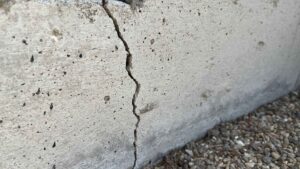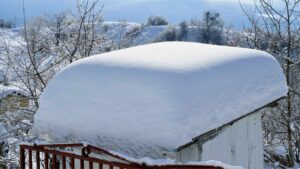

Michigan winters are notoriously harsh. With freezing temperatures, heavy snow, and rapid thaws, homeowners often deal with unique challenges that can compromise their property’s structure. One of the most serious threats to homes during cold months is frost heave foundation in Michigan. This phenomenon occurs when the soil beneath a home freezes and expands, pushing against the foundation and causing cracks, shifting, or even long-term structural damage.
Understanding what frost heave is, how it affects foundations, and what you can do to protect your home is essential for Michigan homeowners. In this article, we’ll explore the science behind frost heave, its impact on foundations, warning signs to watch for, and solutions to prevent costly damage.
What Is Frost Heave?
Frost heave is the process by which soil expands upward as it freezes. In Michigan, where temperatures fluctuate and snow and ice linger for months, this expansion puts pressure on foundations. The soil contains water, and when water freezes, it expands by about 9%. If your foundation sits on moisture-rich soil, frost heave becomes a yearly concern.
When frost heave occurs, the ground doesn’t expand evenly. Some areas of the soil may push upward more than others, causing uneven pressure beneath your foundation. This uneven lifting leads to cracks, tilting, or bowing walls. For homes built on clay-rich or poorly drained soil, frost heave foundation in Michigan can be especially severe.
Why Michigan Homes Are Prone to Frost Heave
Not all regions in the U.S. face frost heave with the same intensity, but Michigan is particularly vulnerable due to:
- Long Freezing Periods – Michigan winters often last from November through March, giving frost time to penetrate deep into the soil.
- Moisture Levels – Snowmelt and rain saturate the ground, providing the water needed for soil to expand.
- Soil Type – Many areas of Michigan contain silty or clay-based soils that hold water, making frost heave foundation in Michigan a widespread issue.
- Freeze-Thaw Cycles – Rapid temperature swings cause water to freeze and thaw repeatedly, adding stress to the soil and foundation.
How Frost Heave Damages Foundations
When frost heave pushes against your home’s foundation, the damage can escalate quickly. Here are the most common ways it affects homes in Michigan:
- Foundation Cracks – The upward force can cause vertical or horizontal cracks in concrete walls and slabs.
- Uneven Floors – As the foundation shifts, interior floors may slope or sag.
- Bowing Walls – Basement walls may begin to bow inward due to uneven soil pressure.
- Sticking Doors and Windows – Foundation movement can make doors and windows difficult to open or close.
- Water Infiltration – Cracks caused by frost heave allow water to seep into basements, leading to flooding or mold.
The key concern with frost heave foundation in Michigan is that once the cycle begins, it tends to worsen every winter unless repaired.
Warning Signs of Frost Heave Damage
As a homeowner, spotting early warning signs is critical to prevent bigger structural issues. Look for these indicators:
- Cracks in basement or crawlspace walls.
- Gaps between walls and ceilings.
- Uneven or sloping flooring.
- Chimneys pulling away from the home.
- Water pooling in the basement after thawing.
- Exterior cracks in brick or siding.
If you notice these issues, it’s a strong indicator that frost heave foundation in Michigan is affecting your home.
Preventing Frost Heave Damage
Prevention is always less costly than repair. Michigan homeowners can take several steps to protect their homes:
1. Improve Drainage Around Your Home
Ensuring water flows away from your foundation is critical. Grading your yard, installing French drains, or adding gutter extensions can reduce soil moisture.
2. Insulate Your Foundation
Foundation insulation, such as rigid foam boards, helps regulate soil temperature around your home, reducing the risk of frost penetration.
3. Waterproof Your Basement
Waterproofing measures, including sealants, drainage systems, and sump pumps, protect against water intrusion caused by cracks from frost heave.
4. Soil Replacement or Treatment
If your home sits on clay-heavy soil, replacing or stabilizing it with gravel or sand can reduce frost heave foundation in Michigan risks.
5. Routine Inspections
Scheduling annual inspections before winter ensures small cracks or shifts are addressed before frost heave worsens them.
Repairing Frost Heave Damage
If your foundation already shows signs of damage, professional repair is necessary. Common solutions include:
- Foundation Piering – Installing steel piers stabilizes and lifts your foundation back into place.
- Wall Bracing – For bowing walls, braces provide reinforcement against soil pressure.
- Crack Injections – Epoxy or polyurethane injections seal cracks and prevent water infiltration.
- Underpinning – Adding structural support beneath the foundation helps restore stability.
Hiring experts with experience in frost heave foundation in Michigan ensures repairs are durable and tailored to local soil and weather conditions.
Long-Term Benefits of Addressing Frost Heave
Taking action against frost heave offers several long-term benefits:
- Protects the structural integrity of your home.
- Prevents costly water damage and mold.
- Increases home value.
- Reduces heating costs by eliminating cold drafts from foundation cracks.
- Provides peace of mind during Michigan’s coldest months.
Additional Resources
For more details on how frost heave affects soil and foundations, you can review educational materials provided by the U.S. Army Corps of Engineers on soil freezing and structural impacts: Army Corps Frost Heave Report.
This resource provides in-depth studies of frost heave mechanics and prevention strategies, especially in cold climates like Michigan.
Conclusion
Frost heave is a natural but destructive process that every Michigan homeowner should take seriously. Left untreated, frost heave foundation in Michigan can lead to cracks, water infiltration, uneven floors, and long-term structural damage. By taking preventive measures such as improving drainage, insulating your foundation, and scheduling routine inspections, you can protect your home from costly repairs.
If you’ve noticed any warning signs of foundation stress this season, don’t wait until the problem worsens with the next freeze.
👉 Contact McCormick Foundations today to schedule a professional inspection and ensure your home is winter-ready.